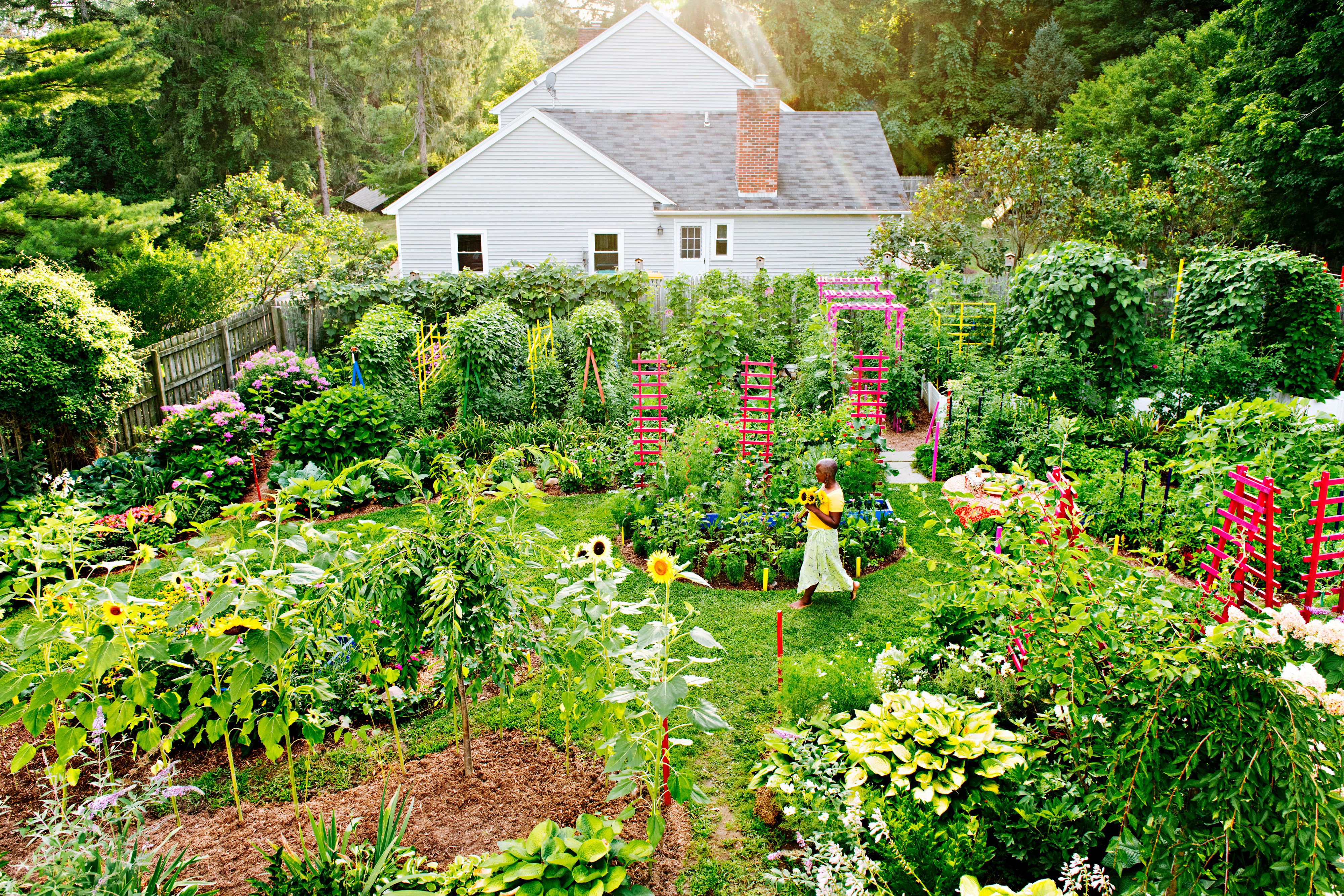
Imagine stepping into your garden, where every rustle of leaves and every buzzing bee reminds you of a thriving ecosystem. This isn't just a dream; it's the essence of permaculture gardening. It's about designing a space that not only provides for your needs but also works in deep harmony with nature's intricate rules. If you've been wondering, "What is permaculture gardening?" you're about to embark on a journey that redefines how we interact with our environment.
Permaculture, a portmanteau of "permanent agriculture" and "permanent culture," represents a holistic design philosophy for creating sustainable human habitats and agricultural systems. Coined by Bill Mollison and David Holmgren in the mid-1970s, it started as a concept focused on perennial or self-perpetuating plant and animal species useful to humans. Today, its scope has expanded dramatically, encompassing everything from water management and energy use to building design and community economics. At its heart, permaculture gardening is about blending our needs with nature's inherent ability to thrive, fostering resilient and productive landscapes.
What Exactly Is Permaculture Gardening? Defining the Movement
To truly understand What Is Permaculture Gardening? Building Resilient, Sustainable Systems, we must look beyond a simple definition. It's not merely a collection of gardening techniques; it's a comprehensive design system. Permaculture encourages us to observe natural patterns and ecosystems, then mimic them to create efficient, small-scale systems that harness nature's power rather than relying on external, often fossil-fuel-intensive, inputs. Whether you live in a bustling city apartment or a sprawling suburban home, permaculture offers a flexible design approach applicable to any system where humans interact with their environment.
The Permaculture Drylands Institute eloquently describes it as working with nature, not against it. This means designing landscapes that integrate humans, plants, and animals in a mutually beneficial relationship. Rather than forcing nature to conform to our desires, we learn to collaborate with its inherent wisdom. This approach aims to make significant positive changes through small, thoughtful actions, leading to systems that continue producing and thriving without constant external intervention.
The Ethical Compass: Guiding Principles of Permaculture
Every permaculture design is anchored by three fundamental ethical commitments. These aren't just feel-good ideals; they serve as a critical filter for every decision, from where you decide to plant a fruit tree to how you manage water runoff across your property. These ethics are:
- Earth Care: This principle emphasizes the health and well-being of our planet. It means recognizing the intrinsic value of all living things and systems, and ensuring that our actions contribute to the regeneration and preservation of natural resources. In your garden, this translates to building healthy soil, conserving water, enhancing biodiversity, and minimizing pollution.
- People Care: Permaculture also acknowledges that humans are an integral part of the ecosystem. This ethic focuses on meeting people's needs – for food, shelter, community, and well-being – in a fair and sustainable way. It encourages us to create spaces that are accessible, productive, and nurturing for ourselves and our communities, ensuring fair access to resources and opportunities.
- Fair Share (Return Surplus): This ethic is about distributing any surplus yields or resources equitably and reinvesting them back into the system or community. It encourages us to live within our means, consume less, and share abundantly. For gardeners, this might mean sharing excess produce with neighbors, contributing to community gardens, or using surplus harvest to create compost that nourishes the garden further.
If a design enriches one person while degrading the soil, polluting water, or excluding others from its benefits, it fundamentally fails the permaculture test. These ethics ensure that our gardens are not only productive but also morally sound and socially responsible.
Beyond Ethics: Practical Principles for Designing Your Permaculture Garden
While the ethics provide the moral framework, a set of design principles offers actionable guidance for creating your permaculture oasis. You don't have to adopt every single technique under the "permaculture" umbrella; think of it like a buffet where you pick what best suits your needs and site. Here are a few key principles and how they translate into practical gardening:
- Observe and Interact: Before you dig, watch your space. How does the sun move across your garden throughout the day and year? Where does water naturally flow and pool? Which areas are sheltered from wind, and which are exposed? Understanding your site's unique characteristics is the first step to intelligent design.
- Catch and Store Energy: Think about capturing resources that are often wasted. This could be harvesting rainwater, utilizing passive solar gain, or creating compost from organic waste. For instance, a simple rain barrel can store precious water for dry spells.
- Obtain a Yield: The purpose of a garden is to produce something useful. This might be food, fiber, medicine, or even just beauty and tranquility. Design your garden to provide a tangible return on your investment of time and effort.
- Produce No Waste: In nature, there's no such thing as waste; everything is a resource. In your permaculture garden, kitchen scraps become compost, fallen leaves become mulch, and pruned branches can become kindling or part of a hugelkultur bed. This significantly reduces your environmental footprint.
- Use and Value Renewable Resources and Services: Rely on natural processes and readily available resources. This includes sunlight, wind, rain, and the services provided by beneficial insects or healthy soil microbes, reducing the need for non-renewable or high-impact inputs.
- Integrate Rather Than Segregate: In permaculture, elements are not isolated but connected in beneficial relationships. For example, Unlock Permaculture Benefits: Cost Savings, Self-Sufficiency & Nature by using companion planting, where different plants grow together to deter pests, improve soil health, or attract pollinators. This mimics the diversity found in natural ecosystems.
By applying these principles, you begin to see your garden not just as a plot of land, but as a dynamic, interconnected system.
Unlocking the Benefits: Why Choose Permaculture?
Adopting permaculture gardening offers a wealth of advantages that extend beyond just growing food. Many of these are powerful motivators for beginners:
- Significant Cost Savings: By reducing reliance on external inputs like fertilizers, pesticides, and excessive watering, permaculture gardens inherently cut down on expenses. You create your own fertility through composting and mulching, and natural pest control methods replace costly chemical treatments.
- Reduced Labor: While initial setup might require some effort, permaculture systems are designed to be self-sustaining. Resilient plants, healthy soil, and natural pest management mean less weeding, less watering, and less fighting against nature. The garden becomes more self-sufficient over time.
- Greater Self-Sufficiency: Growing your own food, even a small portion, dramatically increases your independence and resilience. You have control over the quality of your produce and reduce your reliance on industrial food systems.
- Promoting Biodiversity: Permaculture actively encourages a rich variety of life. By abstaining from insecticides and cultivating a diverse range of plants, you create a welcoming habitat for beneficial insects, pollinators like bees and butterflies, and local wildlife. This contributes to a healthier, more vibrant ecosystem.
- Environmental Stewardship: A permaculture garden is inherently friendly to the environment. It conserves water, builds healthy topsoil, sequesters carbon, and reduces pollution, making a tangible positive impact on the planet.
- Long-Term Resilience and Longevity: Unlike traditional gardens that often require yearly overhauls, a well-designed permaculture garden becomes more stable and productive over time. Its integrated systems make it more resilient to pests, diseases, and climate fluctuations, ensuring it lasts longer without major interventions.
Getting Started: Designing Your Eco-Friendly Oasis
Starting your permaculture journey might seem daunting, but it doesn't have to be. Remember the "buffet" analogy: pick a few techniques that resonate with you and start small. Here’s how to begin designing your eco-friendly oasis:
- Observe Your Site: Dedicate time, perhaps a full year if possible, to truly understand your space. Where does the sun hit? Where are the shady spots? What are the prevailing winds? How does water move across the landscape when it rains? What kind of soil do you have?
- Start Small, Think Big: Don't try to transform your entire yard overnight. Choose a small area, perhaps a single garden bed or a corner of your yard, to experiment with permaculture principles. Learn from your successes and challenges, then gradually expand.
- Focus on Soil Health: The foundation of any thriving garden is healthy soil. Implement composting to enrich your soil with organic matter. Explore no-dig gardening methods and apply thick layers of mulch to suppress weeds, conserve moisture, and feed the soil microbes.
- Manage Water Wisely: Water is a precious resource. Consider installing a rain barrel to collect rainwater for irrigation. Design your garden beds to slow down and sink water into the soil, rather than letting it run off.
- Embrace Diversity: Plant a variety of species, including edible plants, herbs, flowers, and even small shrubs. This creates a more resilient system, attracts beneficial insects, and provides a continuous yield. Research companion planting to understand which plants thrive together.
- Create Zones: A simple permaculture design concept is zoning. Place elements you interact with most frequently (like your kitchen herb garden) closest to your house (Zone 1). Less frequently visited elements (like an orchard or compost pile) are placed further away (Zones 2-5).
- Layer Your Plants: Think vertically. Mimic natural forests by planting different layers: tall canopy trees, understory shrubs, herbaceous plants, groundcovers, root crops, and even climbers. This maximizes space and creates microclimates.
Permaculture gardening is an ongoing learning process, an invitation to connect more deeply with the natural world around you. Don’t be afraid to experiment, observe, and adapt. Every step you take, no matter how small, contributes to building a more resilient, beautiful, and productive garden.
Permaculture gardening is much more than just a way to grow food; it’s a philosophy for living. By embracing its ethics and principles, you embark on a transformative journey towards creating a garden that is not only abundant and beautiful but also deeply sustainable, requiring less effort and fewer resources over time. As you design your eco-friendly oasis, you're not just cultivating plants; you're cultivating resilience, self-sufficiency, and a profound connection to the earth. Begin today, and witness how your small patch of green can contribute to a larger, healthier planet for all.