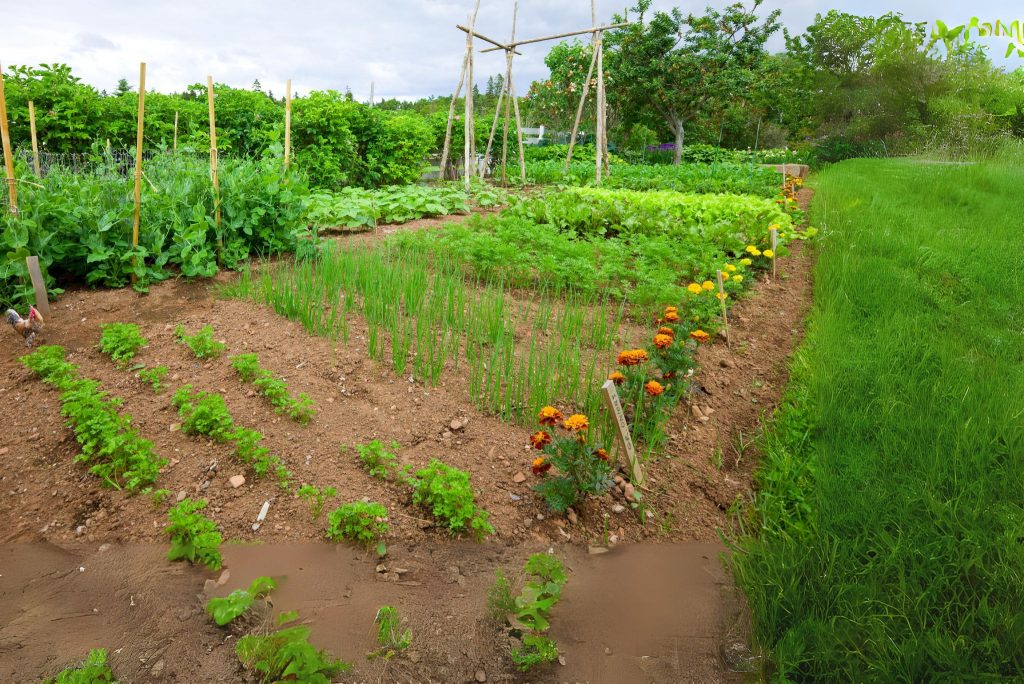
Imagine a garden where nature does most of the work, where plants thrive with minimal intervention, and where every element supports the next. This isn't a utopian dream, but the very essence of permaculture gardening. Far from being a daunting, complex endeavor, it's a design philosophy that harmonizes human needs with the inherent wisdom of natural ecosystems. It invites us to step back, observe, and then design systems that are not only productive but also regenerative, resilient, and deeply sustainable.
The term "permaculture" itself is a powerful fusion of "permanent" and "agriculture," hinting at its core aim: to create lasting, self-sustaining agricultural systems. Coined in the mid-1970s by Australians Bill Mollison and David Holmgren, it initially focused on integrated, evolving systems of perennial plants and animals useful to humans. However, its scope quickly broadened, evolving into a holistic design methodology that extends beyond food production to encompass water management, energy use, building design, and even community economics.
What Exactly is Permaculture Gardening?
At its heart, what is permaculture gardening? It's a thoughtful approach to land management and food production that mimics the patterns and relationships found in flourishing natural systems. Think of a forest – it doesn't require tilling, synthetic fertilizers, or pest control from humans. It's a self-regulating, incredibly productive ecosystem. Permaculture gardening seeks to emulate this natural efficiency and resilience in our own backyards, urban plots, or larger landscapes.
Unlike conventional gardening, which often involves fighting against nature (e.g., combating pests with chemicals, replenishing depleted soil with synthetic nutrients), permaculture embraces working with nature. It views every element – from soil organisms to local wildlife, from rainfall to sunlight – as part of an interconnected web. By understanding these connections and patterns, we can design gardens that are inherently more robust, requiring less external input and yielding abundant harvests.
More Than Just a Garden: A Design Philosophy
While the term "permaculture gardening" might suggest a specific set of techniques, it's more accurate to think of permaculture as a comprehensive design methodology. It's a framework for decision-making that guides how we interact with our environment. The Permaculture Drylands Institute eloquently describes it as "sustainable design that connects humans, plants, animals, and Earth, all about creating efficient, small-scale systems that use nature’s power, not fossil fuels."
This design approach encourages us to move beyond annual crops and consider perennial plants, multi-functional elements, and stacked functions (where one element serves multiple purposes). For example, a living fence might provide privacy, act as a windbreak, offer edible berries, and support beneficial insects – all at once. This integrated thinking is a hallmark of permaculture design, aiming to make significant positive changes through a series of small, interconnected actions.
The Ethical Roots: Guiding Principles of Permaculture
Every permaculture design, whether for a small balcony garden or an expansive farm, is anchored by three fundamental ethical commitments:
- Care for the Earth: This principle emphasizes the regeneration of natural systems. It means preserving soil fertility, conserving water, protecting biodiversity, and minimizing pollution. In a garden, this translates to practices like composting, mulching, rainwater harvesting, and creating habitats for wildlife.
- Care for People: Permaculture is not just about environmental health; it's also about ensuring that people have access to the resources necessary for their existence. This includes providing healthy food, shelter, education, and meaningful employment. In a garden context, it means growing nutrient-dense food, sharing surplus, and fostering community connections around food.
- Fair Share (Return Surplus): This ethic encourages us to set limits on consumption and population, and to redistribute any surplus resources back into the system to support both Earth Care and People Care. If your garden produces an abundance of tomatoes, a fair share approach might involve canning some for winter, sharing with neighbors, or donating to a food bank, rather than letting them go to waste.
These aren't merely aspirational ideals. They function as a critical filter for every decision made in a permaculture design. Before planting a tree, building a compost system, or designing a water feature, a permaculturist asks: Does this choice support Earth Care? Does it benefit people? And does it encourage fair sharing of resources? If not, the design might need re-evaluation.
Key Principles in Practice: How Permaculture Gardens Thrive
Beyond the core ethics, permaculture employs a set of design principles derived from observing nature. While these are numerous, some key ones relevant to gardening include:
- Observe and Interact: Spend time watching your garden site. Understand its sunlight patterns, water flow, soil types, and existing flora and fauna. This observation informs effective design.
- Catch and Store Energy: Design systems that capture and store resources like sunlight (e.g., through deciduous trees for summer shade/winter sun), water (rainwater harvesting), and biomass (composting).
- Obtain a Yield: Ensure your garden produces useful results, whether it's food, fiber, medicine, or simply beauty and enjoyment.
- Apply Self-Regulation and Accept Feedback: Monitor your system's performance. If something isn't working, adapt. Nature is constantly adjusting; so should your garden.
- Use and Value Renewable Resources and Services: Prioritize elements that regenerate naturally, like solar energy, wind, and the services provided by beneficial insects or healthy soil microbes.
- Produce No Waste: Design systems where outputs from one element become inputs for another. Leaves become mulch, kitchen scraps become compost, which feeds the soil.
- Integrate Rather Than Segregate: Connect elements in a way that creates beneficial relationships. Companion planting, for instance, pairs plants that support each other, like basil deterring pests from tomatoes. This minimizes the need for external inputs like insecticides, as beautifully illustrated in the reference context.
- Use Small and Slow Solutions: Start small, make incremental changes, and observe the results. Large-scale overhauls can be risky and resource-intensive.
- Use Edges and Value the Marginal: The transition zones between different ecosystems (like forest edge or pond banks) are often the most diverse and productive. Maximize these "edge effects" in your garden.
- Creatively Use and Respond to Change: Be adaptable. Climate patterns shift, plants grow and mature. A good design can evolve.
By applying these principles, permaculture gardens become dynamic, self-maintaining ecosystems. They often feature practices like sheet mulching, hugelkultur beds, food forests, keyhole gardens, and extensive water harvesting systems.
Why Adopt Permaculture Gardening? Unlocking a Host of Benefits
Embracing permaculture gardening offers a wealth of advantages that go far beyond just growing food. Many gardeners find that Unlock Permaculture Benefits: Cost Savings, Self-Sufficiency & Nature is a deeply rewarding journey. These benefits include:
- Cost Savings: By reducing reliance on external inputs like fertilizers, pesticides, and excessive watering, permaculture significantly cuts down gardening expenses. You create your own fertility through composting and mulching, and natural pest control reduces the need for chemicals.
- Labor Savings: While there's an initial design and setup phase, a well-designed permaculture garden often requires less ongoing maintenance than a conventional one. Mulching suppresses weeds, companion planting minimizes pest issues, and resilient plants reduce the need for constant care.
- Greater Self-Sufficiency: Growing a diverse range of food, herbs, and even fiber plants empowers you to rely less on external food systems, enhancing your household's food security and resilience.
- Promoting Biodiversity: Permaculture actively encourages a rich tapestry of life. By abstaining from insecticides and creating diverse habitats, your garden becomes a haven for bees, butterflies, birds, and other beneficial creatures, essential for a healthy ecosystem.
- Environmental Friendliness: Permaculture practices regenerate soil, conserve water, sequester carbon, and avoid harmful chemicals, making your garden a powerful tool for environmental stewardship.
- Increased Resilience: A diverse permaculture system is less vulnerable to single points of failure. If one crop struggles, others will thrive. This resilience ensures a more consistent yield over time.
- Long-Lasting Systems: Because permaculture designs mimic nature, they are built for longevity. A mature food forest, for example, can produce for decades with minimal intervention, lasting far longer without major overhauls than an annual vegetable patch.
Starting Your Permaculture Journey: It's Easier Than You Think
The idea of transitioning to permaculture gardening might seem overwhelming at first, especially with its extensive principles and techniques. However, the beauty of permaculture is its flexibility. As the reference context suggests, "Think of permaculture gardening as being like eating at a buffet: You get to pick what's on the menu." You don't have to implement every single technique at once. You can start small, observe, and gradually integrate elements that make sense for your specific context.
A great first step for anyone interested is to simply start observing your space. Where does the sun hit? Where does water collect? What plants already thrive there? Then, consider incorporating a few simple permaculture practices:
- Start with Soil: Implement composting and mulching to build healthy, living soil. This is the foundation of any resilient garden.
- Harvest Rainwater: Even a simple rain barrel can make a significant difference in water conservation.
- Plant a Guild: Research a simple plant guild (a mutually beneficial grouping of plants, like a fruit tree surrounded by nitrogen fixers, pest deterring herbs, and groundcovers) and plant it.
- Reduce Waste: Redirect kitchen scraps to a compost pile and garden trimmings to mulch.
- Observe Your Neighbors: Look at what thrives in your local area with minimal care – these are often excellent choices for your own garden.
For those ready to dive deeper into the design process, our article Permaculture Gardening for Beginners: Design Your Eco-Friendly Oasis provides an excellent starting point. Remember, permaculture is a journey of continuous learning and adaptation, inviting you to connect more deeply with the natural world around you.
In essence, permaculture gardening is a profound invitation to rediscover our place within nature, not as its master, but as a thoughtful steward. It empowers us to create spaces that are not only beautiful and abundant but also contribute positively to the health of our planet and our communities. By blending ancient wisdom with modern ecological understanding, permaculture gardening offers a powerful pathway towards building resilient, sustainable systems for a better world.