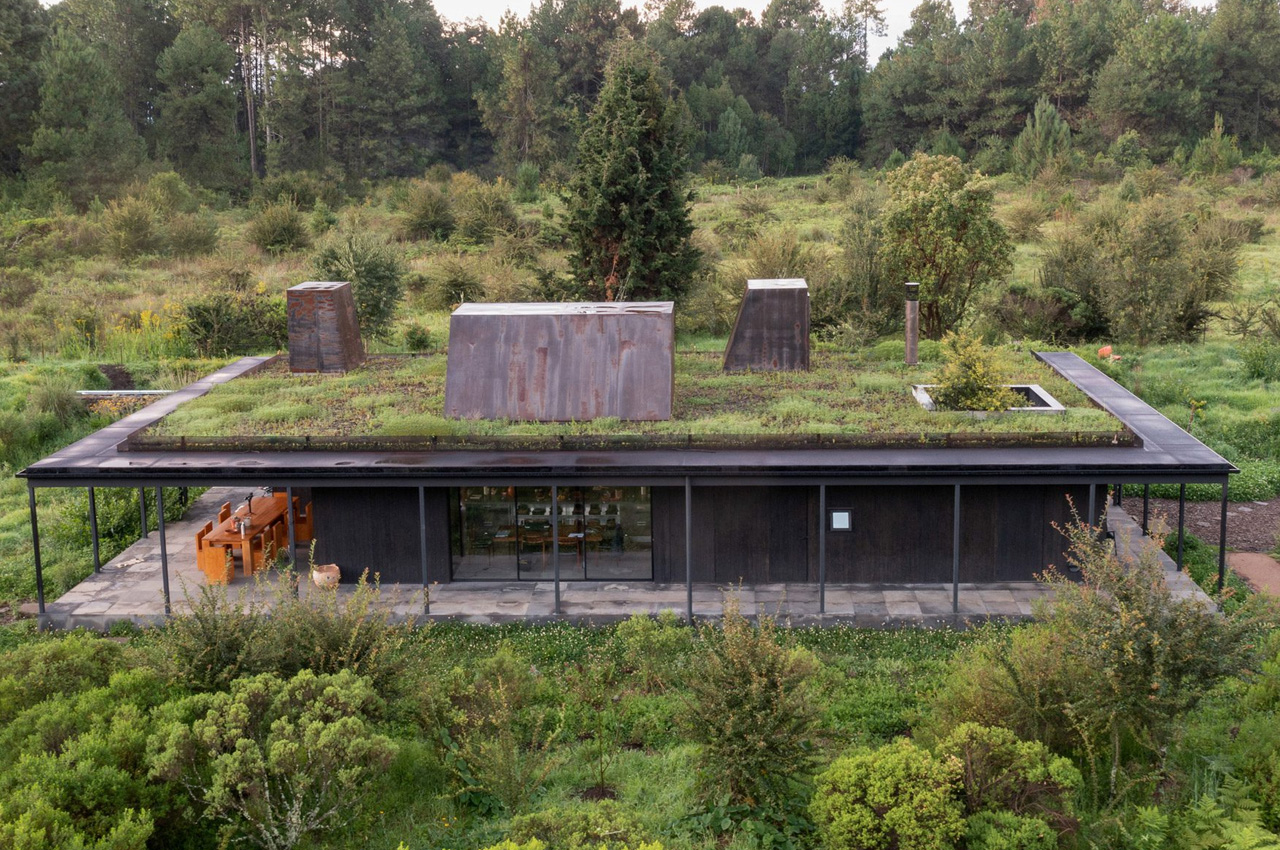
As we navigate the complexities of modern life, there's a growing yearning to reconnect with the natural world – a desire to live more sustainably, reduce our environmental footprint, and build resilience in our homes and communities. This longing often leads us to discover powerful frameworks that blend human needs with nature's profound wisdom. One such framework, gaining immense traction for its transformative potential, is permaculture.
You might have heard the term and wondered: What is permaculture gardening? It's far more than just a gardening technique; it's a holistic design philosophy for creating permanent, productive, and self-sustaining systems that mimic the patterns and resilience found in natural ecosystems. From buzzing bees in a vibrant garden to the rustle of leaves in a forest, permaculture draws inspiration from nature's ability to thrive without human intervention, offering a pathway to significant cost savings, greater self-sufficiency, and a deeper harmony with the environment.
What Exactly Is Permaculture Gardening? Defining the Core Concept
At its heart, "permaculture" is a portmanteau of "permanent agriculture," a term coined in the mid-1970s by Australian ecologists Bill Mollison and David Holmgren. They envisioned a system of integrated, evolving plant and animal species that would be useful to humans and self-perpetuating. Initially focused on sustainable agriculture, the concept has since expanded dramatically. Today, permaculture is understood as a comprehensive design system applicable to land use, water management, energy systems, building design, and even community economics.
Rather than working against nature, permaculture champions the principle of working with it. It's about observing natural patterns – how water flows, how sunlight moves, how plants grow in guilds – and integrating these observations into designs that are efficient, regenerative, and require minimal external inputs over time. The goal isn't just to grow food; it's to create resilient ecosystems where humans, plants, and animals co-exist and flourish, reducing our reliance on fossil fuels and artificial interventions.
Every permaculture design is anchored by three core ethical commitments:
- Earth Care: Recognizing the intrinsic value of all living things and ensuring the health and fertility of natural systems.
- People Care: Promoting self-reliance, community cooperation, and access to resources for all people.
- Fair Share: Limiting consumption, redistributing surpluses, and ensuring that resources are used equitably.
These ethics act as a powerful filter for every decision, guiding practitioners from the smallest garden bed layout to larger community initiatives. If a design benefits individuals at the expense of soil health or community well-being, it falls short of permaculture's transformative vision.
The Tangible Benefits of Embracing Permaculture in Your Garden
While the ethical underpinnings of permaculture are profound, its practical benefits are equally compelling, offering real-world advantages for individuals and the planet. Adopting a permaculture approach in your garden can fundamentally change how you interact with your space and its outputs.
Significant Cost Savings
One of the most immediate and attractive benefits of permaculture gardening is the potential for substantial cost reductions. Traditional gardening often relies on a continuous cycle of purchasing seeds, seedlings, fertilizers, pesticides, and tools. Permaculture, however, aims to minimize these external inputs:
- Reduced Fertilizers & Pesticides: By building healthy soil through composting and mulching, and employing techniques like companion planting (e.g., marigolds deterring nematodes), you dramatically reduce or eliminate the need for costly chemical inputs. For instance, strategically planting certain herbs next to vegetables can naturally repel pests, obviating the need for expensive insecticides.
- Lower Water Bills: Permaculture designs prioritize water harvesting and retention. Techniques such as contouring land, creating swales, and heavy mulching significantly reduce evaporation and ensure water soaks into the ground, nourishing plants efficiently and minimizing the need for supplemental irrigation.
- Less Frequent Overhauls: A well-designed permaculture system, focusing on perennial plants and self-seeding varieties, is built for longevity. Unlike annual gardens that require significant replanting and soil amendment each year, a permaculture garden matures over time, becoming more productive and stable, reducing the long-term investment in labor and materials.
Enhanced Self-Sufficiency
In an increasingly unpredictable world, the ability to produce your own food and resources offers invaluable security and peace of mind. Permaculture actively cultivates self-sufficiency:
- Homegrown Food Security: By growing a diverse range of fruits, vegetables, herbs, and even staple crops, you reduce your reliance on grocery stores and industrial food systems. This not only provides fresher, healthier produce but also protects you from market fluctuations and supply chain disruptions.
- Resilient Systems: Permaculture systems are designed for resilience. The diversity of plants, animals, and functions within the garden creates a robust ecosystem less susceptible to widespread failure from pests, diseases, or extreme weather events. If one crop struggles, others are there to thrive.
- Knowledge & Skill Empowerment: Engaging with permaculture equips you with practical skills and knowledge – from composting and seed saving to natural pest control and water management – fostering a deeper connection to your food source and the natural world.
Environmental Harmony and Biodiversity
Permaculture is fundamentally about healing the earth and fostering vibrant ecosystems. Its benefits extend far beyond human needs to create a healthier planet:
- Promoting Biodiversity: By avoiding harmful chemicals and planting a wide variety of native and beneficial plants, permaculture gardens become havens for local wildlife. They attract crucial pollinators like bees and butterflies, beneficial insects that prey on garden pests, and a diverse range of birds and small animals, all contributing to a richer, more balanced ecosystem. This intentional creation of habitat fosters biodiversity, making your garden a lively, thriving space.
- Soil Regeneration: Permaculture practices prioritize soil health above all else. Through composting, mulching, cover cropping, and minimizing soil disturbance, gardeners build rich, living soil that sequesters carbon, retains water, and provides all the nutrients plants need naturally.
- Water Conservation: Beyond simply reducing water usage, permaculture designs actively seek to capture, store, and utilize water efficiently on-site, replenishing groundwater and preventing runoff that can erode soil and carry pollutants.
- Reduced Carbon Footprint: By growing local food, reducing waste, and creating carbon-sequestering systems, permaculture contributes significantly to mitigating climate change.
Getting Started with Permaculture: It's Easier Than You Think!
For those new to the concept, the idea of transforming your entire yard into a permaculture paradise might seem daunting. However, the beauty of permaculture lies in its flexibility. Think of it less as a rigid set of rules and more as a "buffet" of techniques and principles you can adopt at your own pace. You don't have to implement every single aspect at once to start seeing benefits.
Here’s how to begin your permaculture journey:
- Observe and Interact: Before you dig, spend time observing your space. Where does the sun hit throughout the day? How does water flow when it rains? What plants or animals already visit your yard? Understanding these patterns is the first step in designing with nature.
- Start Small: You don't need acres of land. Begin with a single raised bed, a small corner of your existing garden, or even a few pots on a balcony. Experiment with one or two techniques, such as starting a compost pile, applying a thick layer of mulch, or planting some companion herbs next to your vegetables.
- Focus on Key Principles: While permaculture has many principles, you can begin by focusing on a few impactful ones. For instance, "catch and store energy" (like rainwater or sunlight), "produce no waste," and "use and value diversity."
- Build Soil Health: This is fundamental. Start composting kitchen scraps and yard waste. Add organic matter to your garden beds. Healthy soil is the bedrock of a thriving permaculture system.
- Plant Perennials: Integrate more perennial plants – those that live for more than two years – into your landscape. Fruit trees, berry bushes, herbs, and some vegetables will provide harvests year after year with less effort than annuals.
To dive deeper into practical steps and design strategies, you might find Permaculture Gardening for Beginners: Design Your Eco-Friendly Oasis to be an excellent resource. It offers actionable advice to help you transform your space into a resilient and productive sanctuary. For a more conceptual understanding of how these systems come together, explore What Is Permaculture Gardening? Building Resilient, Sustainable Systems.
Conclusion: Cultivating a More Sustainable Future
What is permaculture gardening? It is an invitation to engage with the world in a more conscious, harmonious, and productive way. It’s a powerful design system that empowers us to create landscapes and communities that not only sustain us but also regenerate the very earth beneath our feet. By embracing permaculture's ethics and principles, we unlock a wealth of benefits: reducing our living costs, enhancing our self-reliance, and fostering a vibrant, biodiverse environment right outside our doors. It’s a journey towards a truly permanent agriculture, one that promises not just a bountiful harvest, but a more resilient and beautiful world for generations to come.